Hiring Junior Engineers Scraping Cheatsheet And Rands On Writing
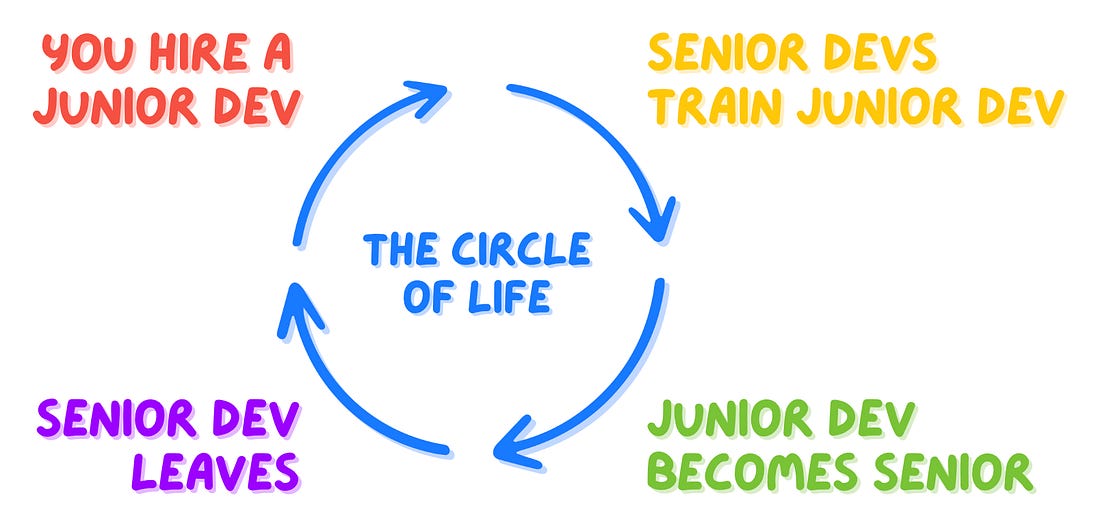
Hey, Luca here, welcome to a weekly edition of the💡 Monday Ideas 💡 from Refactoring! To access all our articles, library, and community, subscribe to the full version: Resources: 🏛️ Library • 💬 Community • 🎙️ Podcast • ❓ About 1) 🪴 Hire more junior engineersI am a strong believer in hiring many (mostly?!) junior engineers. This is one of the things we got the most right at my previous startup — even though, I admit, kind of by chance. One of my co-founders and myself were ex PhD students and we always kept good ties with our alma mater, so we would often run internships and hire people straight from their M.Sc or B.Sc. It was the easiest and cheapest way to hire for us, especially in Italy where the tech ecosystem was (and still is) kinda small, and there were few engineers working on our stack (Ruby on Rails).
However, having fresh engineers on our team brought a ton of benefits that were not always obvious at the beginning:
We covered hiring principles earlier this year in this article below 👇 
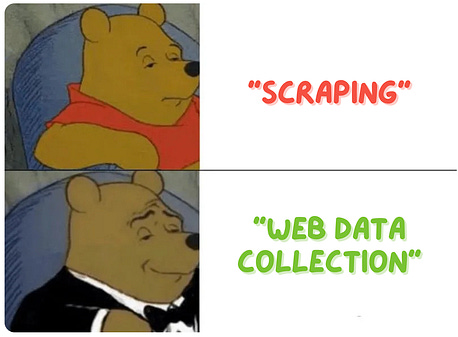
2) 🕷️ A cheatsheet for your scraping strategyI don’t write a lot of purely technical pieces at Refactoring, favoring timeless engineering and management ideas instead. I made an exception for web scraping, which is at once 1) one of the things I did the most in my professional life, and 2) one of the spaces that grew the most in the AI era. The problem with scraping (or web data collection 🧐🎩) is that there are just so many ways of doing that, leading to some of the biggest it depends in engineering.
So I tried to design a quick cheatsheet to point people to the right solutions, based on their needs. As always, it is about asking the right questions: Scale 📈
Importance 🏆
Type of data 🎨
Team skills 🎓
Budget 🏦
Based on these questions, we can sketch a high-level decision graph:
Of course there is much more to it, and if you are interested in learning more you can check out the full guide I wrote! 👇 3) ✏️ Rands’ take on writingA couple of months ago I had the incredible privilege of interviewing Rands on the podcast. As a writer myself, Rands is one of my heroes — author of countless amazing blog posts, plus one of my favorite books of all time, Managing Humans. When I asked him about how writing has changed his career, he answered in expected and unexpected ways. First, Rands hasn't needed a traditional resume in over a decade because his writing has built what he calls "nerd fame" — industry recognition that constantly opens doors for him. But beyond career benefits, writing provides also therapeutic value and serves as a grounding mechanism for processing complex thoughts and emotions about work and leadership challenges.
He also added a few ideas that stuck with me:
Here is the full interview with Rands:  You can also find it on 🎧 Spotify and 📬 Substack And that’s it for today! If you are finding this newsletter valuable, consider doing any of these: 1) 🔒 Subscribe to the full version — if you aren’t already, consider becoming a paid subscriber. 1700+ engineers and managers have joined already! Learn more about the benefits of the paid plan here. 2) 📣 Advertise with us — we are always looking for great products that we can recommend to our readers. If you are interested in reaching an audience of tech executives, decision-makers, and engineers, you may want to advertise with us 👇 If you have any comments or feedback, just respond to this email! I wish you a great week! ☀️ Luca
|