Forward Proxy Vs Reverse Proxy
You are now 160,001+ subscribers strong. Let’s try to reach 161k subscribers by 20 July. Share this post & I'll send you some rewards for the referrals. Get my system design playbook for FREE on newsletter signup: This post outlines the differences between a forward proxy and a reverse proxy. You will find references at the bottom of this page if you want to go deeper.
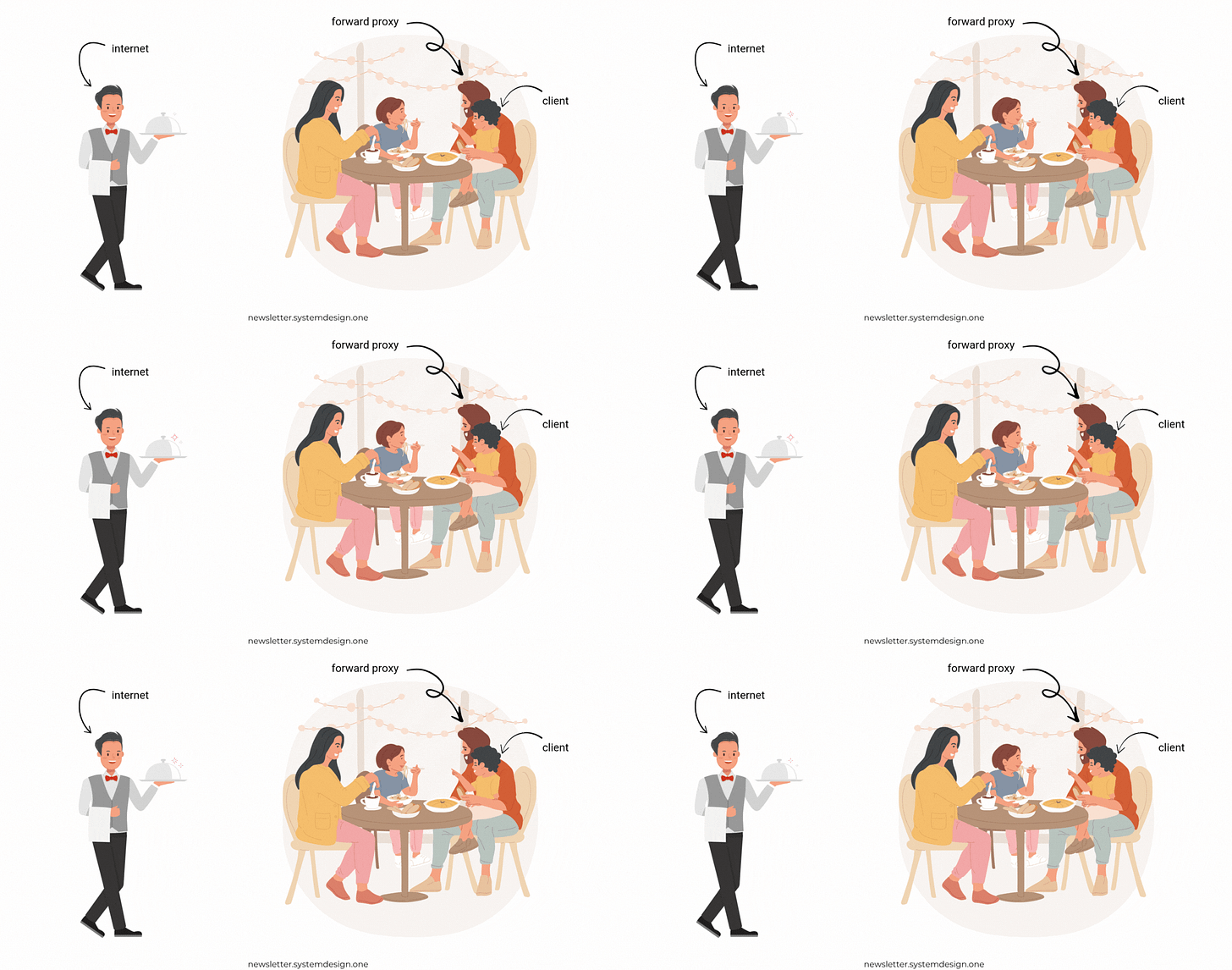
Imagine a family with a small kid on a tourist visit to Italy. They visit a local restaurant for lunch. The kid then tells her father that she needs 9 ice creams. But the father orders only a single ice cream when the waiter arrives.
(The forward proxy works similarly.) The kid is like the client, while the father is like the forward proxy. The father filters the kid's request and speaks to the waiter in Italian on her behalf. Likewise, the forward proxy filter requests, provides compatibility layers, and reduces unnecessary requests. This approach offers performance. The waiter then passes their order to the kitchen expeditor. And he informs the right chef to prepare the ice cream.
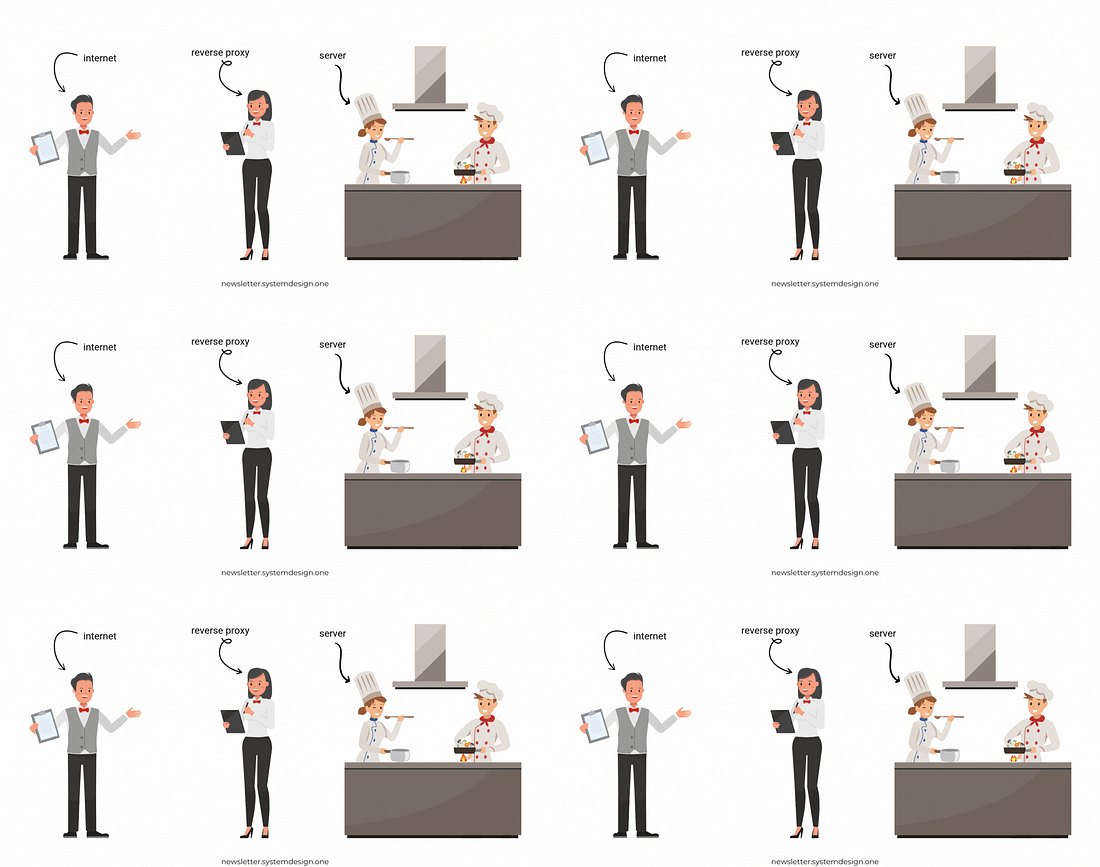
(The reverse proxy works similarly.) Think of the waiter as the internet layer. And the kitchen expeditor is like the reverse proxy, while the chef is like the server. The waiter doesn’t have to enter the kitchen or talk directly to the chef. Likewise, a reverse proxy protects the server by avoiding direct exposure to the internet. Onward. “How to Adopt Externalized Authorization: Step-By-Step Roadmap” Ebook by Cerbos - Sponsor
Hardcoded authorization logic doesn't scale. As your application, requirements, and users grow - it turns into a bottleneck, slowing you down, creating security gaps, and making compliance a mess. If you’re thinking about moving from hardcoded permissions to externalized authorization, this 10-step playbook will guide you:
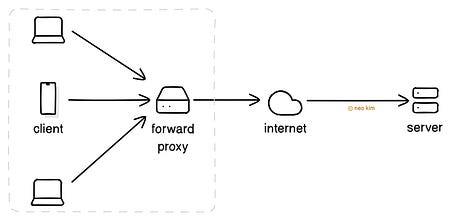
If you're dealing with authorization complexity, this might save you some trial and error. Forward ProxyThe forward proxy sits between the client and the Internet. Think of the forward proxy as a funnel; all traffic goes through it. Yet it checks whether a request is allowed. Also it’s necessary to configure the client to use the forward proxy.
Here’s how it works:
Schools and corporate networks often install a forward proxy to control the sites people can visit. And one can set up a forward proxy using Nginx or Squid. Here are some popular use cases of the forward proxy:
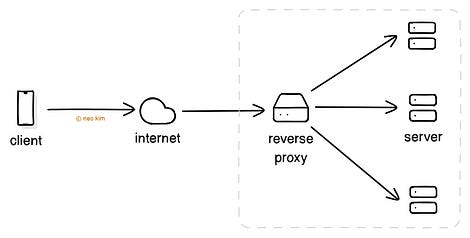
Put simply, a forward proxy acts as a gateway to the Internet. But a forward proxy could add latency as it introduces an extra network hop. Also it increases administrative overhead as client setup is necessary. So use it only if necessary. Ready for the best part? Reverse ProxyBoth forward proxy and reverse proxy send client requests to the server. But a forward proxy belongs to the client side, while a reverse proxy belongs to the server side. It means the difference between them is in the direction from which you look at them. The reverse proxy sits between the Internet and the server.
Here’s how it works:
The client interacts with the reverse proxy as if it’s the origin server. And one can set up a reverse proxy using Nginx or HAProxy. Here are some popular use cases of the reverse proxy:
Put simply, the reverse proxy acts as a gateway from the Internet. But a reverse proxy adds operational complexity. Besides it could become a single point of failure without redundancy. So use it based on your needs and scale. Subscribe to get simplified case studies delivered straight to your inbox: Want to advertise in this newsletter? 📰 If your company wants to reach a 160K+ tech audience, advertise with me. Neo’s recommendation 🚀 Want instant code feedback and catch bugs quickly? CodeRabbit helps you by spotting bugs, providing one-click fix suggestions, and reviewing as you write code. Try CodeRabbit's VS Code extension for free. Thank you for supporting this newsletter. You are now 160,001+ readers strong, very close to 161k. Let’s try to get 161k readers by 20 July. Consider sharing this post with your friends and get rewards. Y’all are the best.
TL;DR 🕰️ You can find a summary of this article here. Consider a repost if you find it helpful. ReferencesShare this post & I'll send you some rewards for the referrals.
|